Why Raja Ampat is Ecologically Unique
Raja Ampat is one of Earth's most biodiverse marine ecosystems. Located in the Coral Triangle, it covers 4.6 million hectares, with more than 2 million hectares of marine protected areas.
It hosts over 1,600 fish species, 75% of all known coral species, six of seven endangered sea turtle species, and 17 marine mammals.
Its tropical forests and indigenous communities further enhance its ecological and cultural value, making it a critical region for global biodiversity conservation.
Nickel Mining Expansion: A Growing Threat
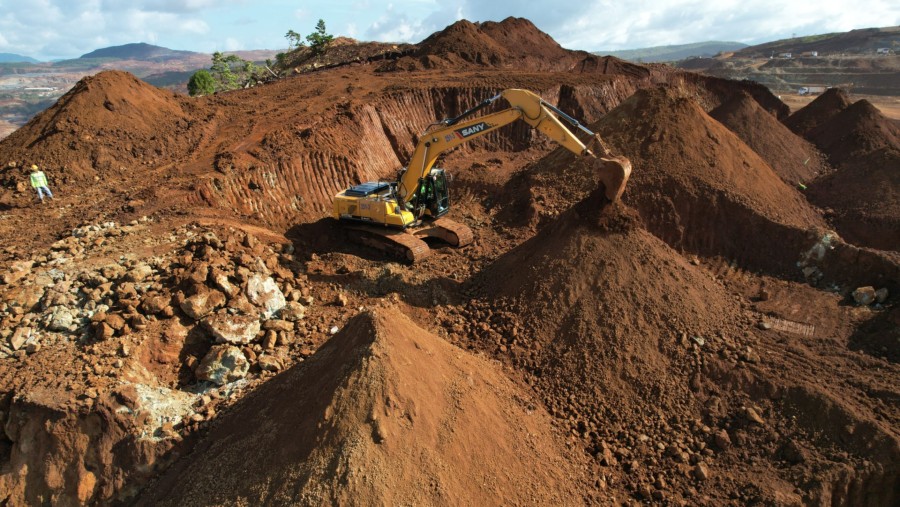
Nickel mining is expanding across several small islands in Raja Ampat, including protected zones. Despite legal protections under Law No. 1/2014, mining has continued.
Over the past five years, mining areas have grown about 494 hectares, threatening marine biodiversity and the livelihoods of local communities.
This expansion directly contradicts Indonesia's conservation commitments and endangers one of the world's most precious ecosystems.
Fossil Energy Behind Nickel Smelters
Nickel processing, especially pyrometallurgy, requires extremely high temperatures exceeding 1500°C and depends heavily on fossil fuels like coal and diesel.
With 97 of 111 smelters using saprolite nickel, energy demand reaches 382 billion kWh/year – equivalent to a large national electricity load.
The industry's fossil fuel dependence directly contradicts green transition goals and creates a paradox: the nickel needed for electric vehicle batteries is being mined and processed using energy sources that harm the climate.
Pollution, Emissions, and Environmental Harm
Nickel mining operations emit SO₂, NOx, CO, and PM₁₀ from diesel and coal combustion, causing air pollution and acid rain.
The mining and processing activities trigger marine sedimentation, coral reef destruction, and heavy metal poisoning in coastal waters.
Deforestation for mining operations eliminates carbon sinks and worsens climate impacts. While nickel supports the critical transition to EV batteries, current mining practices are far from "green" and actively harm the ecosystems they operate within.
Short-term and Long-term Climate Consequences
Short-term Impacts: Immediate air and water pollution affecting local communities, destruction of marine habitats, and accelerated biodiversity loss in Raja Ampat.
Long-term Impacts: Loss of coastal carbon sinks through mangrove destruction, contribution to global greenhouse gas emissions, and degradation of a region critical for global climate regulation.
The carbon costs of mining and processing nickel with fossil fuels may offset the climate benefits gained from producing EV batteries, making the current extraction model unsustainable.
Government Response: Mixed Signals
On June 11, 2025, the government revoked the licenses (IUP) of four nickel companies in Raja Ampat as a preventive measure.
However, PT GAG Nikel is still allowed to operate under stricter environmental regulations. Expansion plans are being reevaluated amid public protests, but enforcement remains uneven.
This mixed approach shows recognition of the ecological threat, yet stops short of comprehensive action needed to fully protect Raja Ampat's marine ecosystem.
The Way Forward: Real Green Transition
To align nickel mining with climate goals, Indonesia must shift toward renewable energy in mining operations. As immediate next steps, the government is advised to:
1. Strengthen mining regulations in sensitive areas like Raja Ampat and enforce existing protections.
2. Encourage the transition to a blue economy based on marine conservation and sustainable tourism.
3. Tighten supervision of mining companies that are still operating.
4. Involve indigenous communities and local stakeholders in all decision-making processes.
Without fundamental changes to how nickel is extracted and processed, Indonesia risks sacrificing one of its most valuable ecosystems for materials that are meant to save the planet.
References
BINUS University. (2025, March). Dampak penambangan nikel terhadap ekosistem laut Raja Ampat: Ancaman bagi keanekaragaman hayati dan masyarakat lokal. https://binus.ac.id/character-building/2025/03/dampak-penambangan-nikel-terhadap-ekosistem-laut-raja-ampat-ancaman-bagi-keanekaragaman-hayati-dan-masyarakat-lokal/
Chaerul, M. dan Andana, R. F. (2020). Valuation of Nickel Smelter Processing with Cost Benefit Analysis Approach. Journal Environmental, 26(1): 87-100.
Greenpeace Indonesia. (n.d.). Aktivis Greenpeace aksi di Konferensi Nikel Internasional. https://www.greenpeace.org/indonesia/siaran-pers-2/63070/aktivis-greenpeace-aksi-di-konferensi-nikel-internasional/
Gultom, Y. S. M. (2024). Kebijakan Luar Negeri Indonesia dalam Komitmen Internasional untuk Mempercepat Transisi Energi. Jurnal PIR Power in International Relations, 9(2):137-149.
Hanif, M. U. (2023). Kebijakan Pemerintah dalam Menjaga Ketersediaan Cadangan Nikel melalui Moratorium Pembangunan Smelter Nikel. Jurnal Ilmiah Keagamaan dan Kemasyarakatan, 17(5):3226-3240.
KKP Raja Ampat. (n.d.). Terumbu Karang. https://kkprajaampat.com/terumbu-karang/
Komite Pemantauan dan Rekonsiliasi Papua. (2025, February 23). Ekspansi tambang nikel di Raja Ampat dan ancaman terhadap ekosistem laut. https://mcpr.komitmen.org/2025/02/23/ekspansi-tambang-nikel-di-raja-ampat-dan-ancaman-terhadap-ekosistem-laut/
Mongabay Indonesia. (2025, June 6). Keindahan terancam sirna kala tambang nikel keruk Raja Ampat. https://mongabay.co.id/2025/06/06/keindahan-terancam-sirna-kala-tambang-nikel-keruk-raja-ampat/