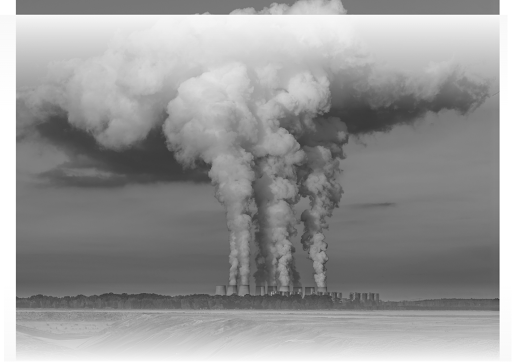
Real Solution or Just a Smokescreen?
Climate change is largely caused by rising CO₂ levels due to human activities like deforestation and industrial operations.
CCS is one proposed solution capturing CO₂ at the source and storing it underground. However, debate continues over its true effectiveness.
Is it a vital climate tool, or an expensive distraction that delays deeper, more sustainable change?
How CCS Works?
CCS is a potential solution for fossil-fuel industries that can't yet switch to renewables. It can theoretically cut up to 90% of CO₂ emissions.
The process includes three stages: capturing CO₂ at the source, transporting it via pipeline or ship, and storing it deep underground.
Its success depends on efficient technology, strong infrastructure, and solid policy support
The Technical Process of CCS
1. CO₂ Capture: Carbon dioxide is separated from fossil fuels either before or after the combustion process.
2. CO₂ Transportation: The captured carbon dioxide is compressed into a liquid or supercritical state and then transported to storage sites through high-pressure pipelines or ships.
3. CO₂ Storage: The carbon dioxide is injected into stable, long-term geological formations for secure and permanent storage.
Indonesia has great potential for CCS. Are we ready to take this step?
CCS could support energy diversity in Indonesia, protect jobs, and attract investment. It helps maintain existing infrastructure while opening paths for innovation.
Yet, high costs, technical requirements, and the lack of clear regulations remain major barriers. Without legal certainty, public trust in CCS remains low.
A Complementary, Not Standalone, Solution
Carbon Capture and Storage holds promise as part of Indonesia’s energy transition, particularly for industries that find it difficult to switch to renewable energy sources. It offers a pathway to reduce emissions while maintaining industrial operations.
However, CCS should not be seen as a standalone or mainstream solution unless supported by strong policies, robust regulations, public acceptance, and cost reductions.
While the technology is promising, its future depends on commitment from both the public and private sectors to invest in safe, efficient, and affordable carbon management strategies.
References
Junaidy, A., & Gaos, S. (2023). Analisis Perancangan Carbon Capture Utilization and Storage pada PLTGU Muara Tawar Bekasi. Jurnal Ilmiah Program Studi Magister Teknik Mesin, 13(3).
Nugroho, H., & Bachri, S. (2015). Geologi Indonesia Bagian Barat dan Bagian Timur serta Kaitannya dengan Prospek Carbon Capture and Storage (CCS). Jurnal Geologi Dan Sumberdaya Mineral, 151–159.
Prasetyo, A. W., & Windarta, J. (2022). Pemanfaatan Teknologi Carbon Capture Storage (CCS) dalam Upaya Mendukung Produksi Energi yang Berkelanjutan. Jurnal Energi Baru Dan Terbarukan, 3(3), 231–238. https://doi.org/10.14710/jebt.2022.14509
PUTRI, A., Sasongko, N. A., & Yoesgiantoro, D. (2024). Carbon Capture Storage dan Carbon Capture Utilization Storage (CCS/CCUS) sebagai Solusi Transisi Energi Fosil di Indonesia. PENDIPA Journal of Science Education, 8(2), 191–203. https://doi.org/10.33369/pendipa.8.2.191-203